



















From Concept to Delivery
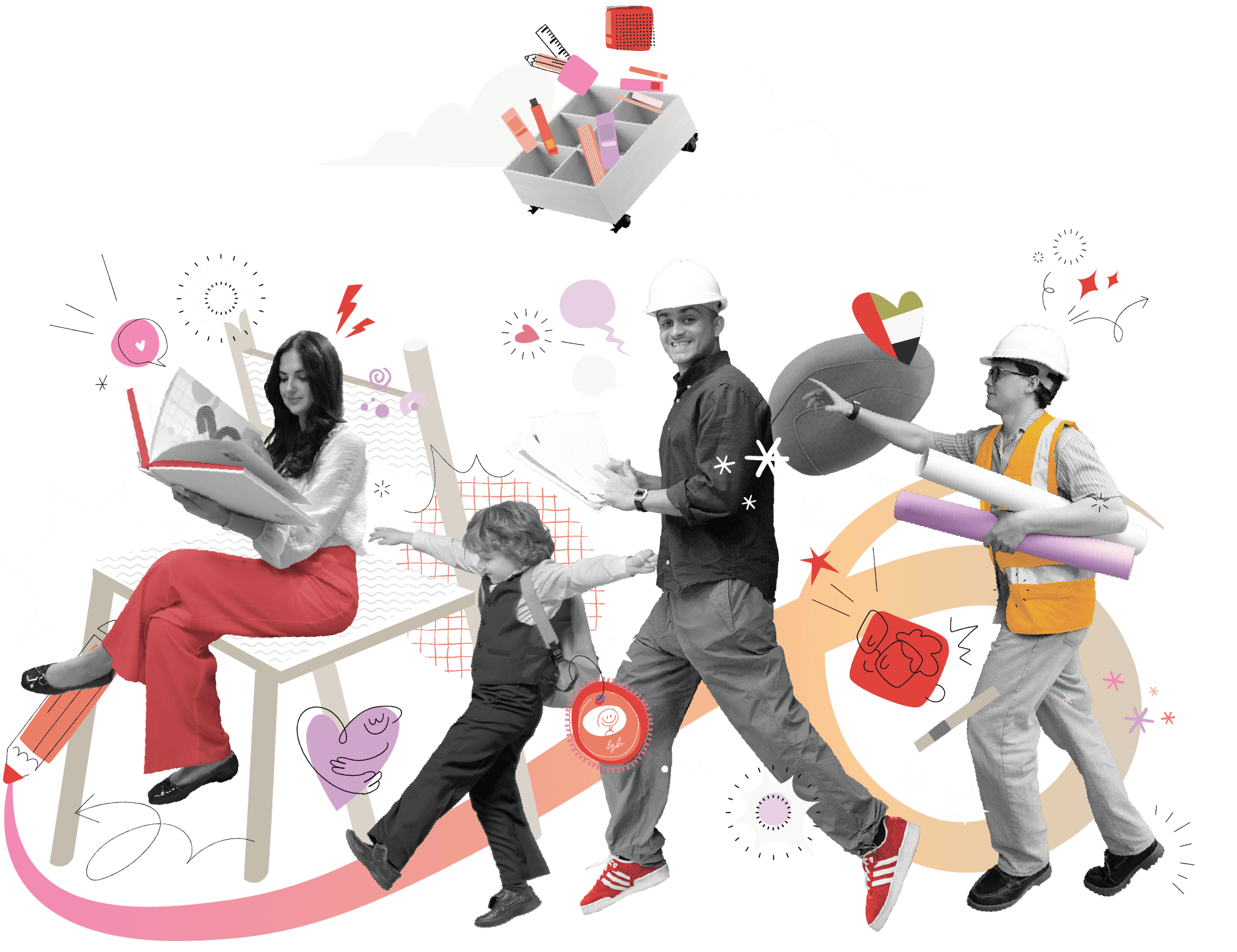
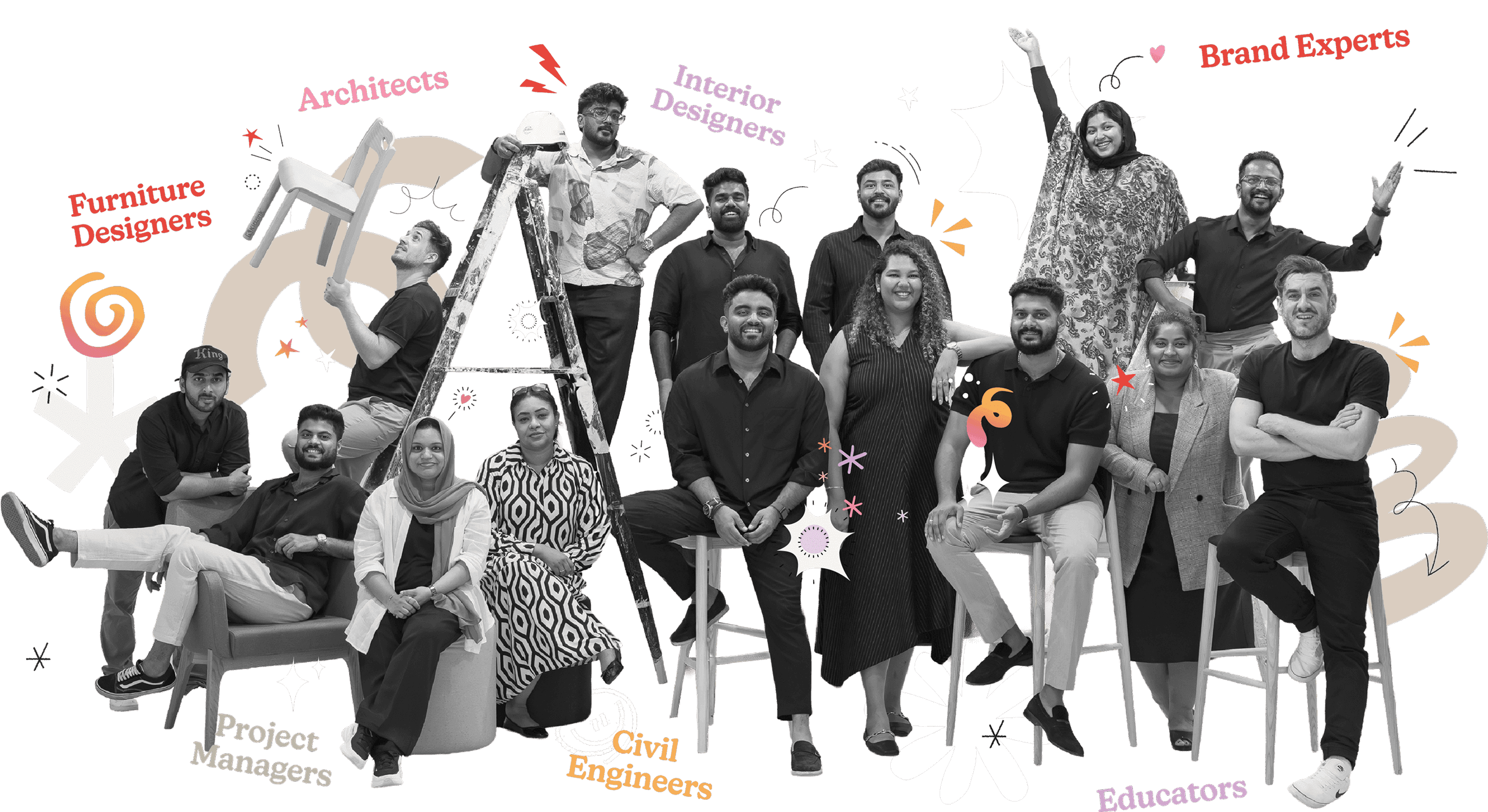
One Team that Makes Everything Happen for Educational Spaces
















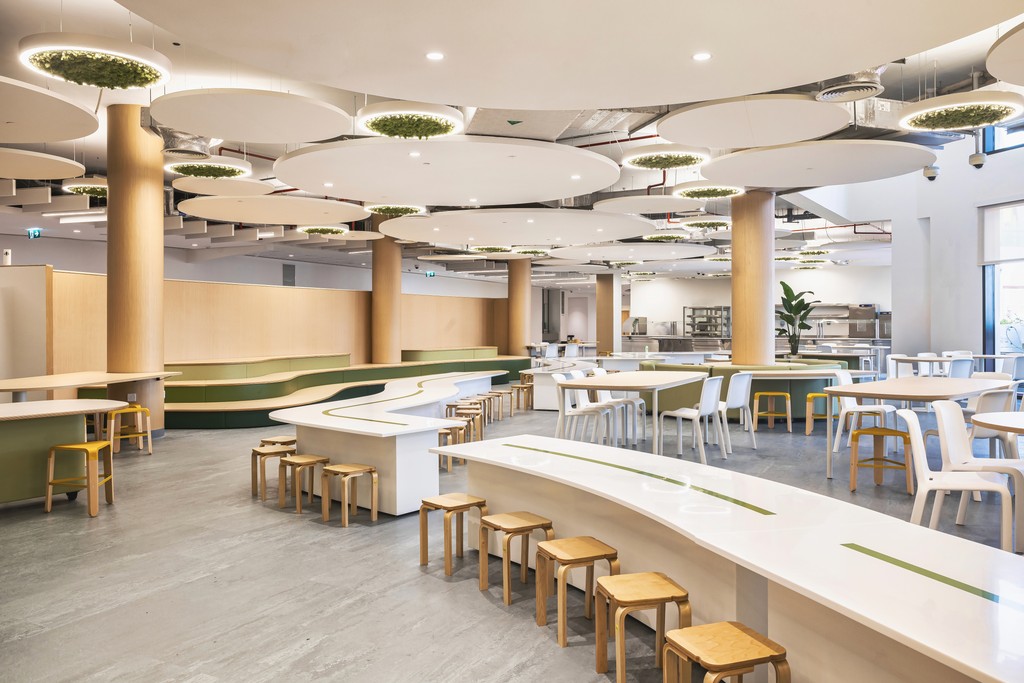




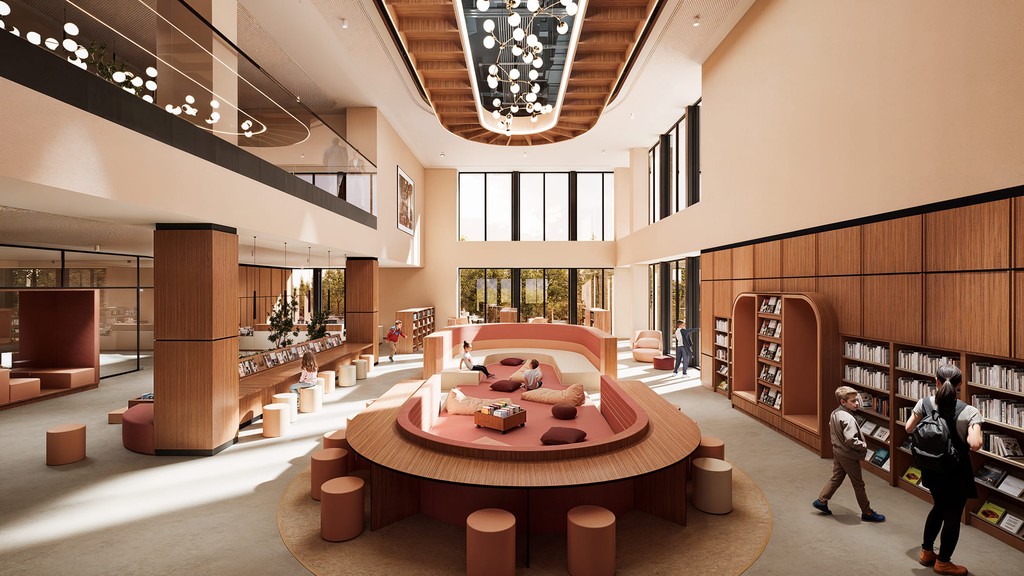
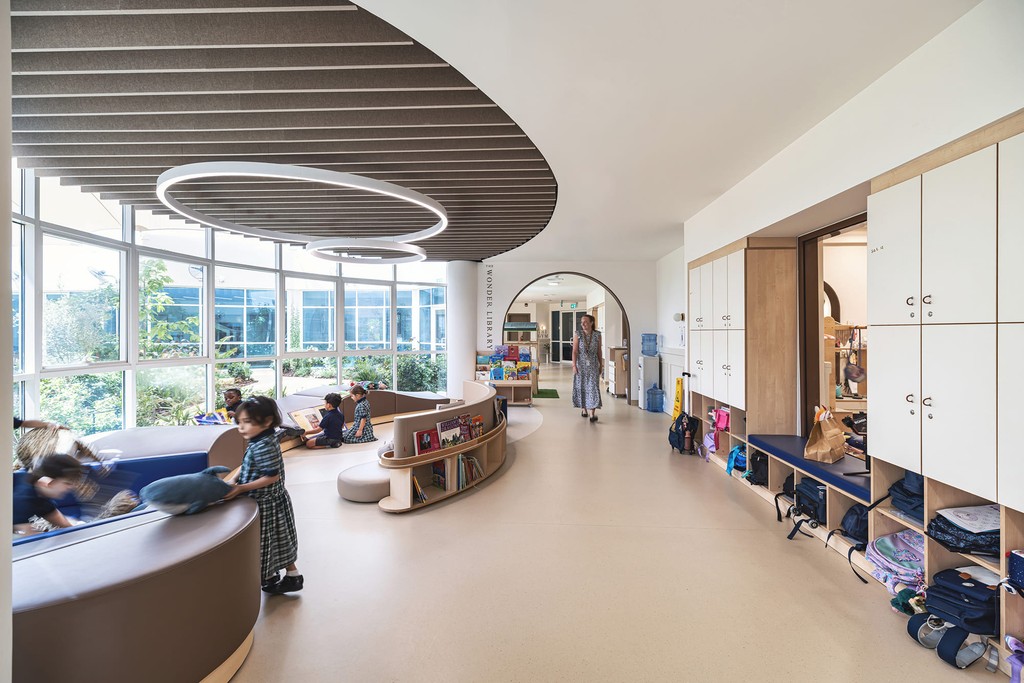




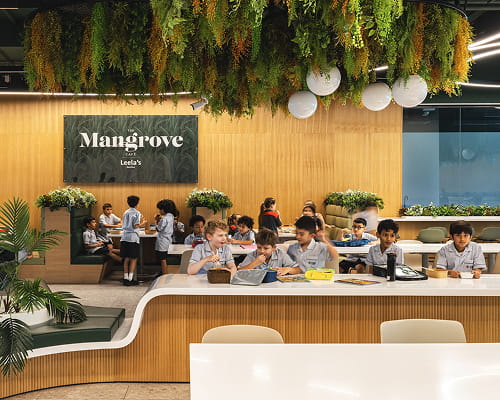
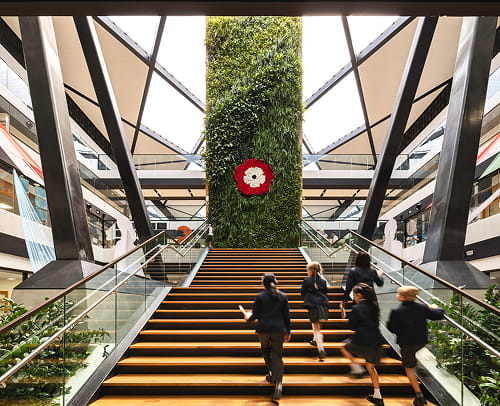
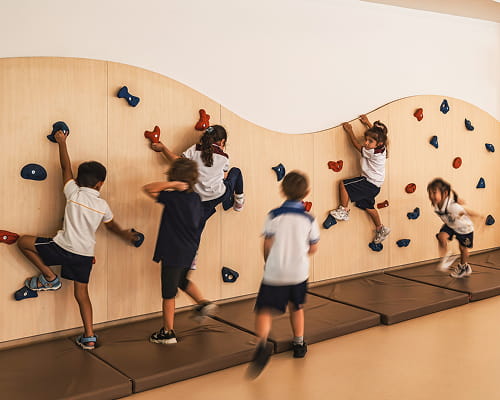
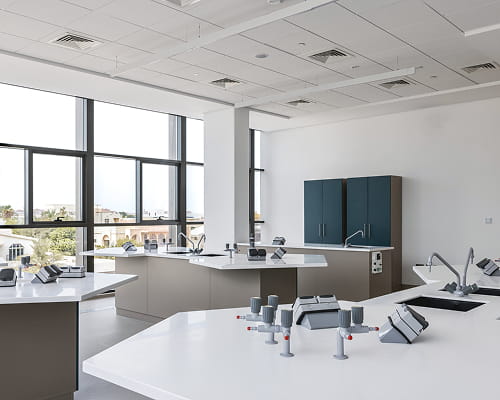
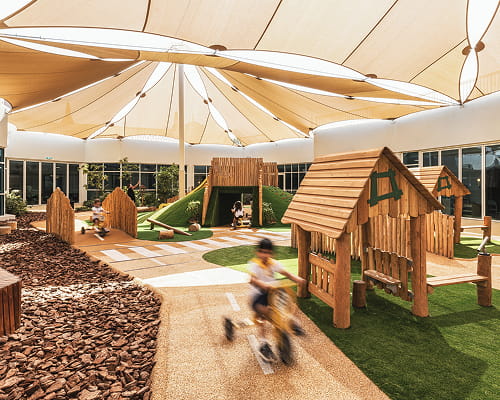
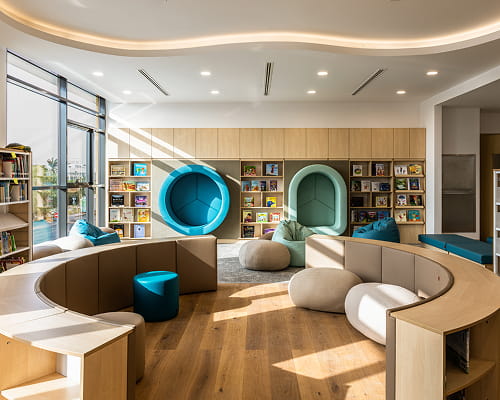
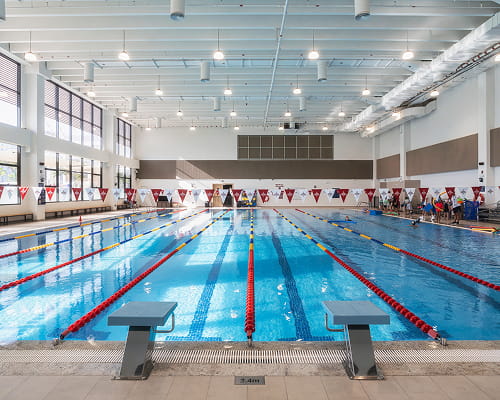
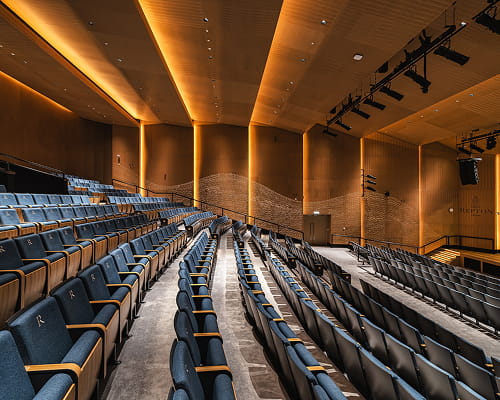
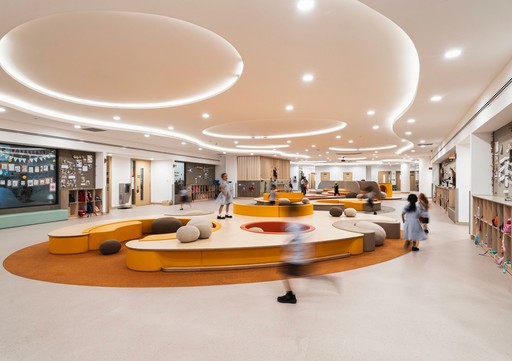
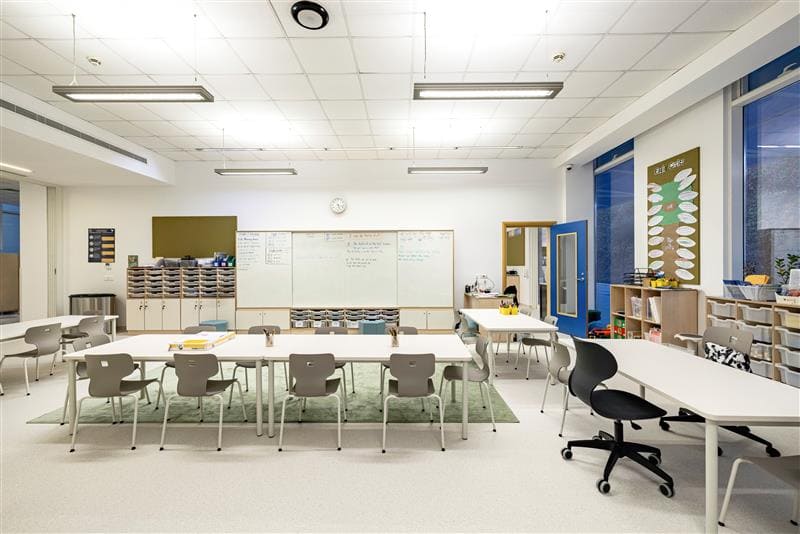
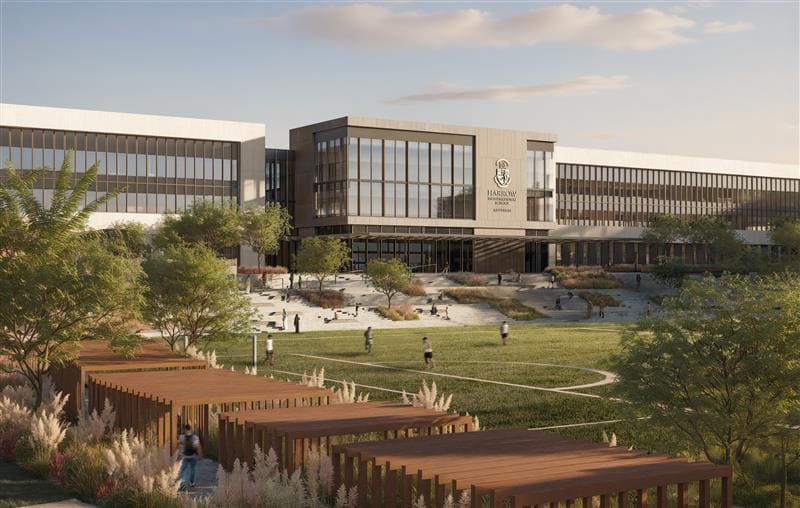






















“…I was in DBS Mira last week and it’s just the best school I have ever seen in my life and I’ve been around so many schools.”
Alan Williamson
Chief Executive Officer,
Taaleem


"Kidzink has brought a different level of aesthetically pleasing areas to the school that have actually brought warmth to the school as well. It matches how the school feels for students, for staff and for parents, as well as when you walk through the corridors into these spaces you can feel it and see it.
Rebecca Cregan
Asst Principal & Head of Foundation,
Horizon International School
“The space had a calming effect, both in photos and in person. And it’s something visitors still comment on - the calmness here is different from other schools. Well-designed spaces affect people’s behaviour.”
Andy Goodlife
Head of Secondary,
Dubai British School Jumeira

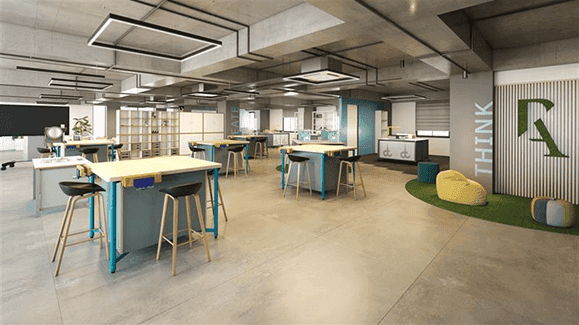
“It’s a mix of a Google workspace, a startup lab, and a community hub all inside a school. It’s a space where learners actually want to be there, teachers don’t just teach — they collaborate, projects aren’t just about getting a grade; they’re about solving real-world problems. It’s freedom, energy, and experimentation.”

“The intricate design, it’s made it one of the best learning spaces in the entire school, and the quality of design that we’ve experienced with Kidzink across the entire school has been phenomenal."
Wayne Orr
Interim Chief Operating Officer,
British International School Riyadh























Read More!
INSTAGRAM
AWARDS
JUL 2026

Read More!
INSTAGRAM
AWARDS
JUL 2026

Read More!
INSTAGRAM
AWARDS
JUL 2026

Read More!
INSTAGRAM
AWARDS
JUL 2026

Read More!
INSTAGRAM
AWARDS
JUL 2026

Read More!
INSTAGRAM
AWARDS
JUL 2026
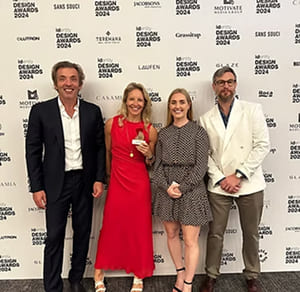
Read More!
IDENTITY
AWARDS
JUN 2025
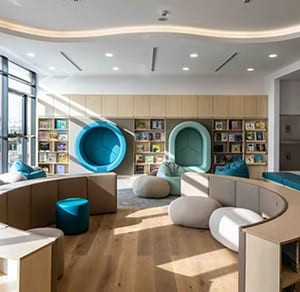
Read More!
ISSUU
IN THE PRESS
JAN 2025

Read More!
EDUCATION MIDDLE EAST
IN THE PRESS
JAN 2025
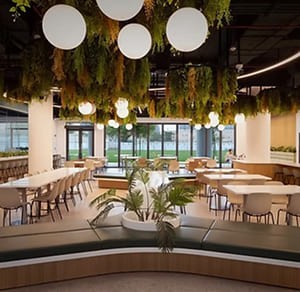
Read More!
ZAWYA
AWARDS
JAN 2025

Read More!
INSTAGRAM
IN THE PRESS
JAN 2025
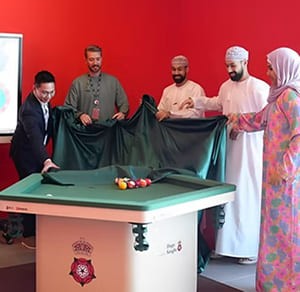
Read More!
LINKEDIN
IN THE PRESS
APR 2025

Read More!
LINKEDIN
IN THE PRESS
APR 2025
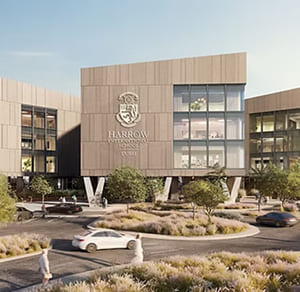
Read More!
KHALEEJ TIMES
IN THE PRESS
JUN 2025

Read More!
LINKEDIN
IN THE PRESS
APR 2025
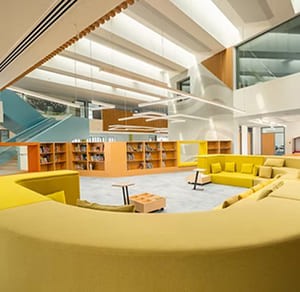
Read More!
EDUCATION MIDDLE EAST
IN THE PRESS
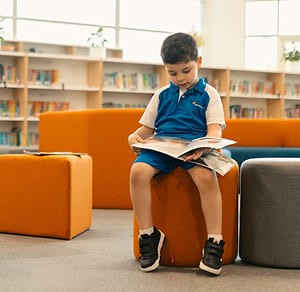
Read More!
GULF NEWS
IN THE PRESS
MAY 2025
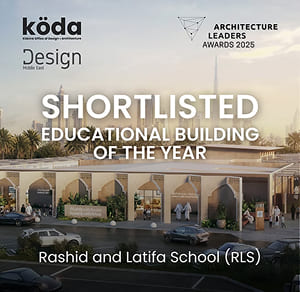
Read More!
DESIGN MIDDLE EAST
AWARDS
JUN 2025

Read More!
EDUCATION UAE
AWARDS
JUL 2025

Read More!
ZAWYA
AWARDS
JUN 2025
How does school design impact learning outcomes?
Research shows that physical environment can influence up to 16% of learning progress. At Kidzink, we optimize critical variables including air quality, natural lighting, acoustic design, and spatial flexibility through The Enriched Environment Model™. Our neuroscience-informed approach addresses cognitive, sensory, motor, and social-emotional needs simultaneously, creating learning environments where students naturally thrive. Schools implementing our integrated design approach report 40% increases in enrollment inquiries and significant improvements in student engagement.
What is integrated educational design?
Integrated educational design means strategy, architecture, and furniture designed by one team from concept to completion. At Kidzink, our architects understand furniture constraints from day one, and our furniture designers know the architectural vision before drawing a single piece. This eliminates the "fragmentation gap" where pedagogical vision gets lost between disconnected vendors. The result: learning environments where space, pedagogy, and furniture work together seamlessly.
What is the benefit of an integrated design approach
It eliminates fragmentation. By having architects, furniture designers, acoustic specialists, and learning strategists in the same room, we ensure the furniture actually fits the pedagogy, the building actually supports the furniture, and the acoustics enable clear communication. One team means faster project completion, consistent vision from strategy to delivery, and no coordination delays between multiple vendors.
Why is school furniture important for learning?
Educational furniture affects how students engage with learning environments. Through The Enriched Environment Model™, Kidzink Furniture designs pieces that respond to cognitive, sensory, motor, and social-emotional needs simultaneously. When furniture supports learning instead of fighting it, teachers stop managing rooms and start teaching. A Year 3 classroom can transition from circle time to small group work to independent reading in under 2 minutes, the furniture does the work.
Does Kidzink work on existing school renovations?
Yes. We specialize in transforming legacy buildings into modern learning hubs through strategic architectural interventions and bespoke furniture solutions. Strategic intervention zones identify key spatial changes with maximum pedagogical impact. We've helped 50-year-old buildings outperform brand new schools through targeted improvements.
Can Kidzink design university spaces and K-12 schools?
Yes. We've designed 1,000+ learning environments spanning Early Years centers through university campuses across 20+ countries. Our education-only focus since 2017 means we understand how different age groups use space differently, from kindergarten play-based learning to university research collaboration. Every project is informed by The Enriched Environment Model™ and adapted to your specific educational context.